
★★★★★
“Reggie sent me pictures through the process to keep me in the loop.”
Careful machine polishing for visible swirls, light surface marks, dullness, and haze. The first job is understanding the paint, not selling a universal stage.
Share what you are seeing. We will explain what may improve, what may remain, and whether correction is the right direction before any scope is approved.
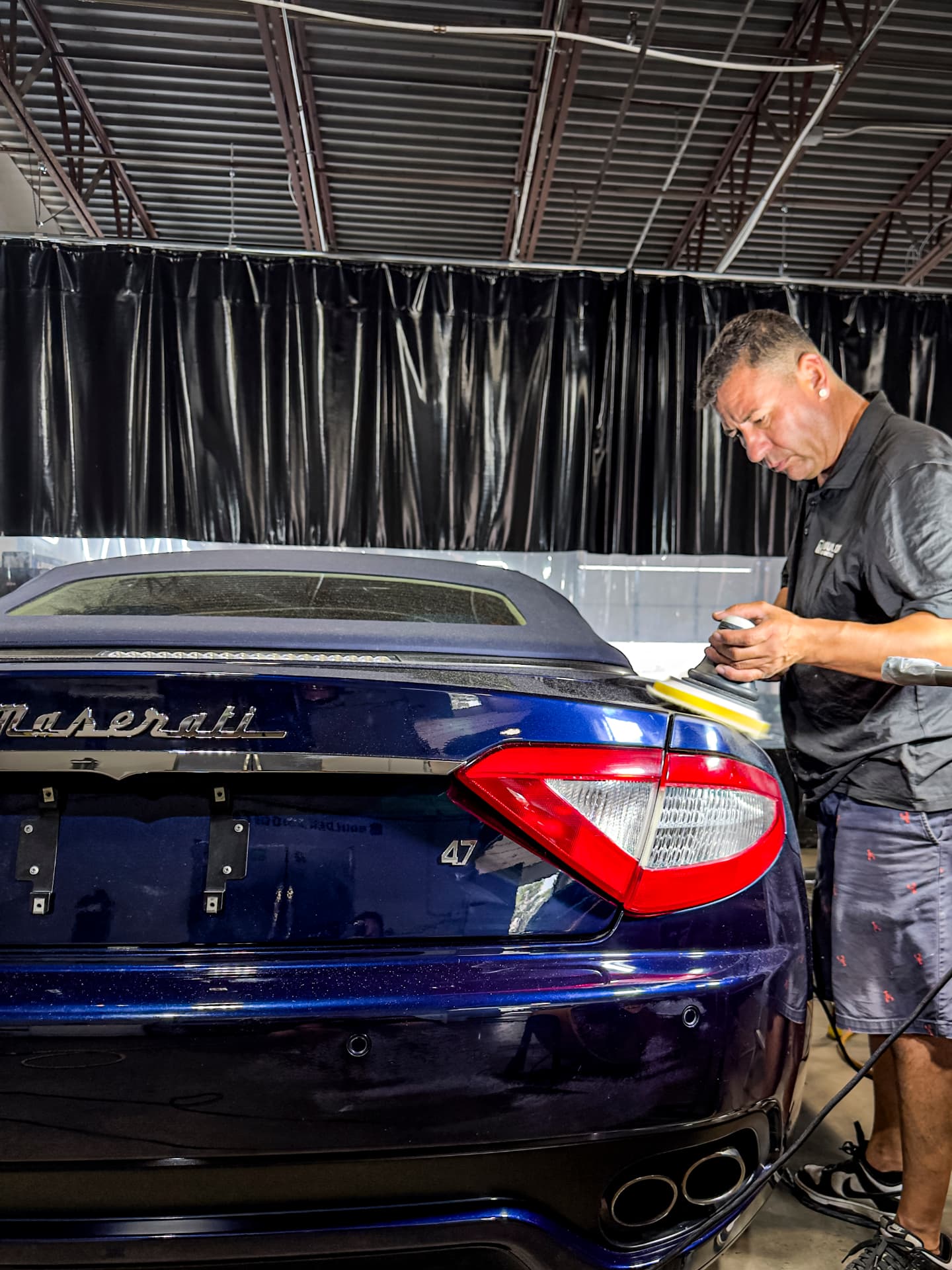
Cleaning, inspection, and controlled polishing can reduce wash marring, dullness, and lost depth.
Natural light and shop lighting reveal different concerns, so an assessment is more useful than one photo.
Paint condition, repair history, and your goal determine the right next step.
Choose the description that feels closest. Your vehicle and photos give the team the context needed for the actual recommendation.
Your selection carries into the assessment form.
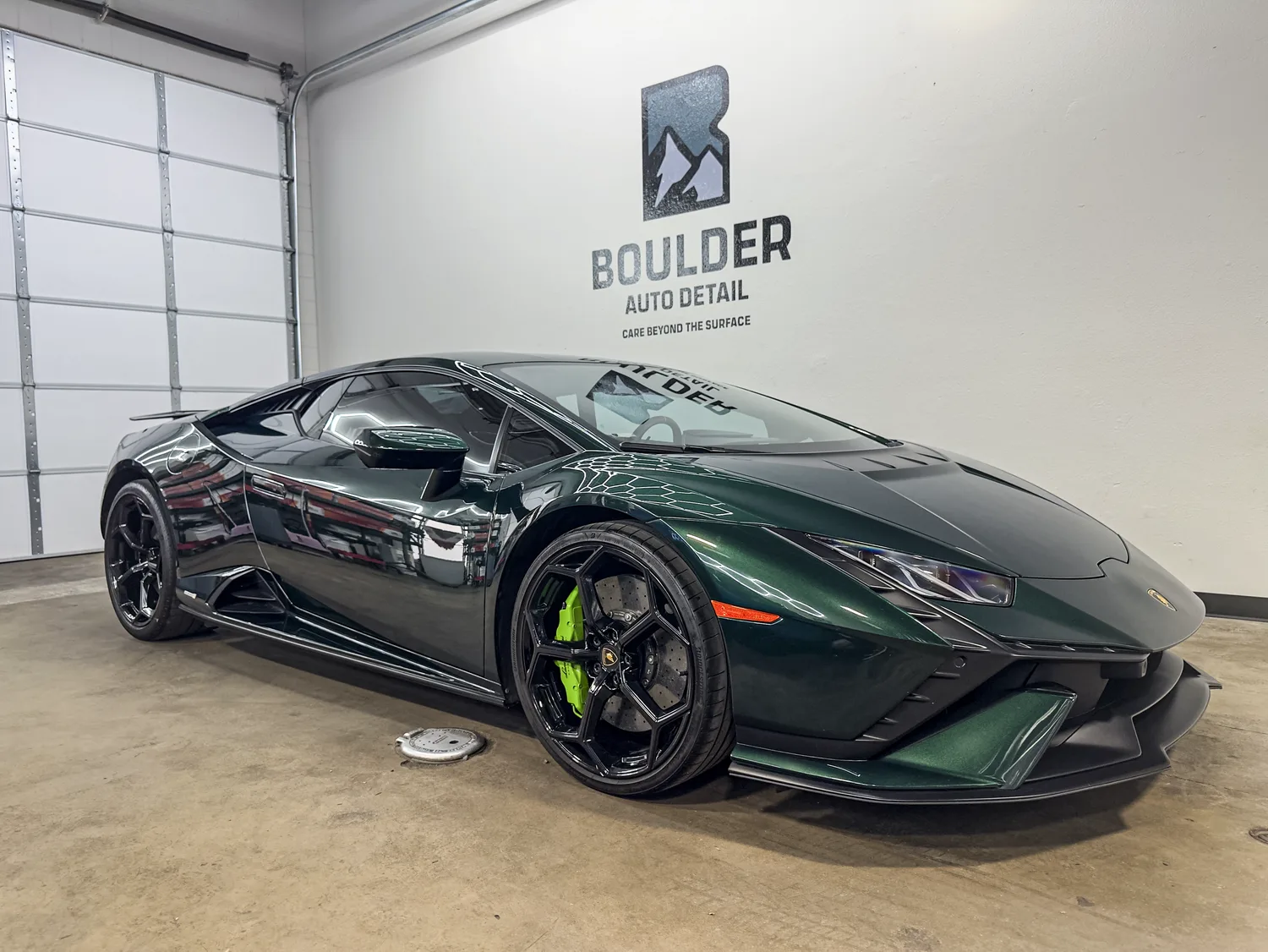
Swirls and wash marring can show differently from panel to panel. Direct light helps establish what is reasonably worth refining and what should be left alone.
Is the goal a cleaner daily-driver finish, or a more complete refinement before protection?
Paint is evaluated, corrected, and checked in sequence. The process is deliberate because the condition is specific to the vehicle.
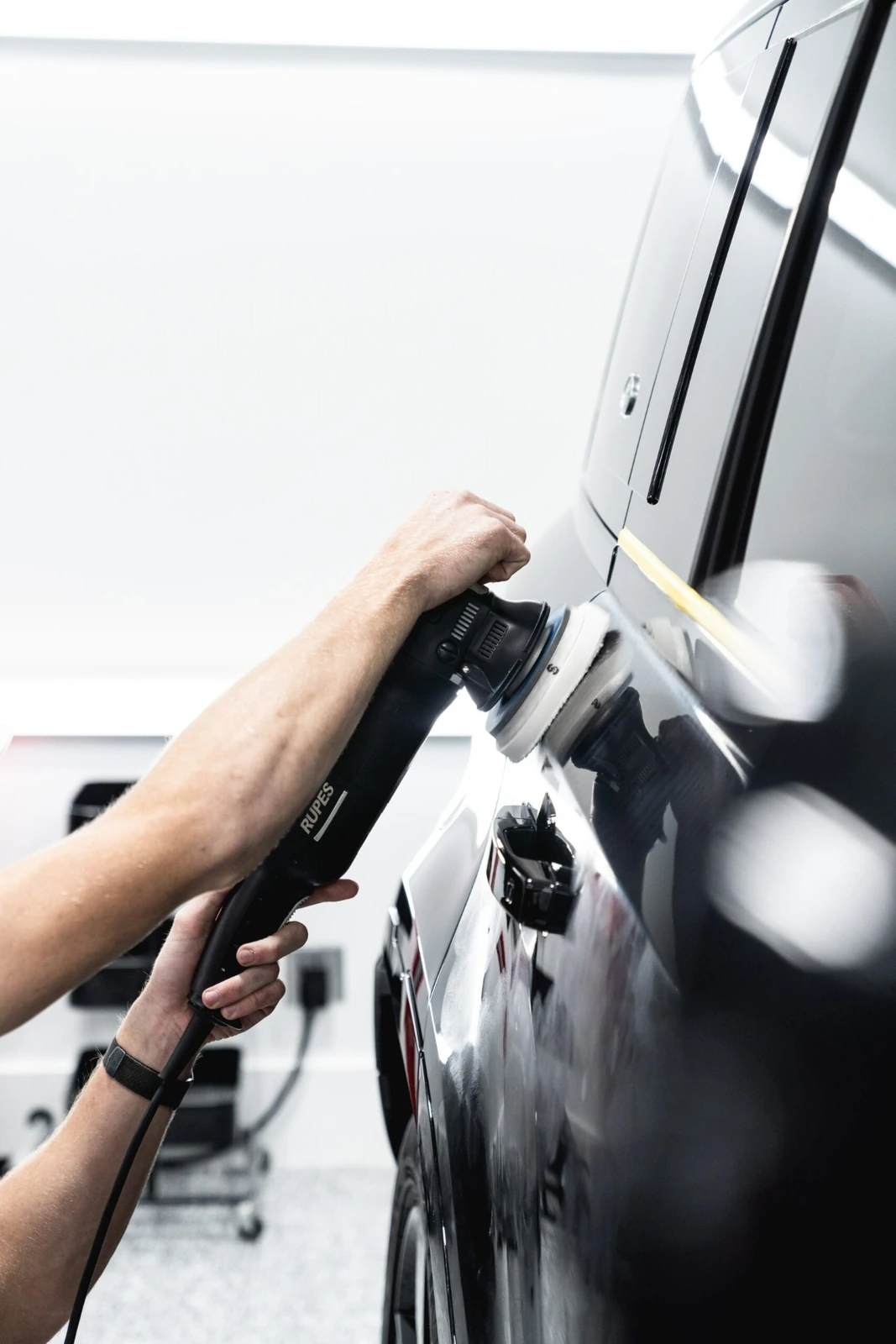
We start with the finish in front of us, visible concerns, paint history where known, and the level of improvement you want to pursue.
The chosen approach is confirmed on the vehicle before the agreed correction work continues across the planned surfaces.
The surface is cleaned, refined, and checked as the work progresses. A protection conversation belongs after you are comfortable with the finish.
We walk through the result, the areas that remain outside correction, and a practical plan for washing and future care.
Real vehicles photographed in and around the Boulder shop. Shop light, panel reflections, and surface detail make the finish easier to read.
Verified Google feedback about Boulder Auto Detail's process, communication, finish care, and follow-through.
“Reggie sent me pictures through the process to keep me in the loop.”
“My total experience could not have been better.”
“They always seem to go above and beyond and really ensure their work is as incredible as their customer service.”
A corrected finish still benefits from a thoughtful wash routine. The goal is to avoid putting careless contact and grit back into the paint.
Reduce the chance of rubbing grit back across the paint during routine cleaning.
A visibly dirty surface is not ready for dry or careless contact.
If coating or maintenance detailing is part of the plan, discuss the order and care guidance at handoff.
Direct answers on defects, scratches, coatings, timing, paint history, and the next conversation.
Paint correction uses cleaning, inspection, and polishing to improve selected surface imperfections. Scope depends on the vehicle.
Some light surface marks may improve. A deep scratch, chip, or area with missing paint may need a different repair.
No. Detailing focuses on cleaning and resetting the vehicle. Paint correction focuses on assessing and refining the painted finish.
It is often useful to discuss correction first so you can make an informed choice about the finish being protected.
Timing depends on vehicle size, condition, paint history, and approved scope. Share photos or arrange an assessment for a realistic conversation.
Not every condition is suited to correction alone. Missing paint, dents, deep damage, clear-coat failure, or prior repair issues may call for another solution.
Share the year, make, model, the areas you notice most, whether the marks change in sunlight, and a few current photos. Paint history or prior repair details are useful when known.
Swirls in the sun, a light mark, dull paint, or a finish you want to prepare before protection. Share the vehicle and current photos so we can guide the next conversation.
Prefer to talk it through? Call 303 601 8482.